
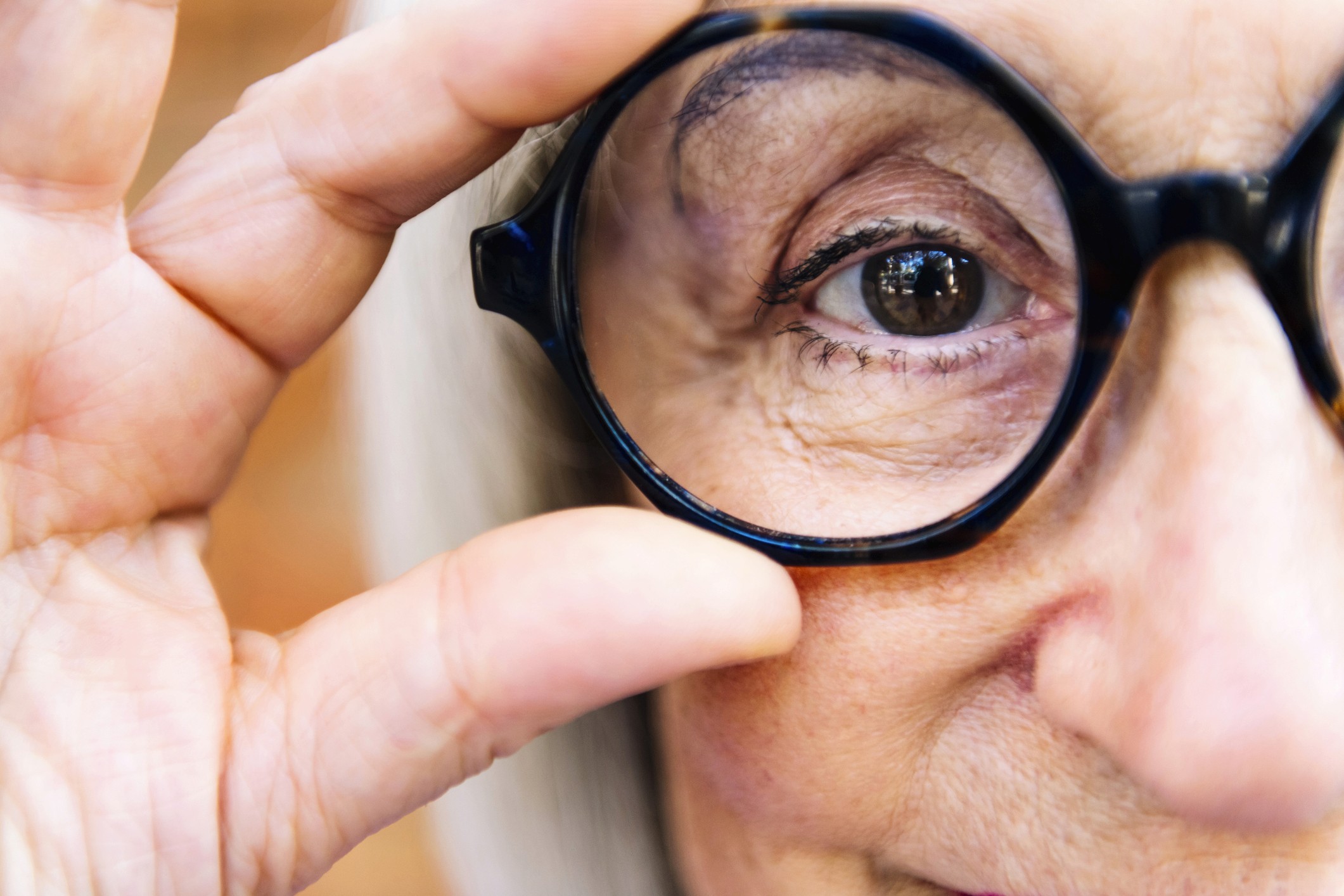
Vision plays a larger role in daily life than many of us realize. From moving safely through our home to reading, cooking, or enjoying favorite activities, our eyes help guide nearly every task. As we age, changes in vision are common — and for many older adults, those changes may be related to low vision.
This month’s Time to Thrive wellness focus, Seeing Things Through a Different Lens, is about understanding how low vision affects everyday life and how the right strategies can support safety, confidence, and independence.
What Is Low Vision?
Low vision is a visual impairment that cannot be fully corrected with glasses, contact lenses, or surgery. It may involve difficulty with sharpness, contrast, depth perception, or peripheral vision. Conditions such as macular degeneration, glaucoma, diabetes-related eye disease, cataracts, and neurological changes can all contribute to low vision.
Low vision doesn’t mean vision loss — it means seeing differently.
How Low Vision Can Impact Daily Life
Changes in vision can affect more than just eyesight. They can influence:
Balance and walking confidence
Safety during daily activities
Ability to read, manage medications, or prepare meals
Participation in hobbies and social activities
It’s not uncommon for individuals to feel frustrated or less confident when vision changes occur. These feelings are valid — and support is available.
Why Vision Changes Matter for Safety
Vision helps the brain understand depth, surfaces, and obstacles. When vision changes, it can become harder to notice steps, uneven flooring, or changes in lighting. This can increase the risk of falls, especially when combined with normal changes in strength or balance.
Addressing vision-related challenges early can help support confidence and mobility.
How Occupational Therapy Can Help
Occupational Therapy focuses on helping people safely and independently perform everyday activities. When it comes to low vision, Occupational Therapists work on function, not eyesight correction.
Therapy may include:
Learning new ways to scan and use remaining vision
Modifying daily tasks for safety and ease
Improving lighting and contrast in the home
Reducing visual clutter
Supporting confidence with movement and activities
The goal is to help individuals continue doing the things that matter most — in ways that work for them.
Small Changes Can Make a Big Difference
Simple adjustments can significantly improve daily function:
Increasing lighting in key areas
Using high-contrast colors for important items
Keeping frequently used items in consistent locations
Organizing spaces to reduce clutter
These changes help the environment support vision, rather than work against it.
Living Well Through a Different Lens
Low vision doesn’t mean giving up independence or favorite activities. It means adapting and learning new strategies to stay engaged, safe, and confident. With the right support, many people continue to live full, active lives.
Time to Thrive with Aegis Therapies
Your wellness journey is personal — and support should be, too. Occupational Therapy can help you navigate vision changes, adapt daily routines, and continue thriving in everyday life.
<
>